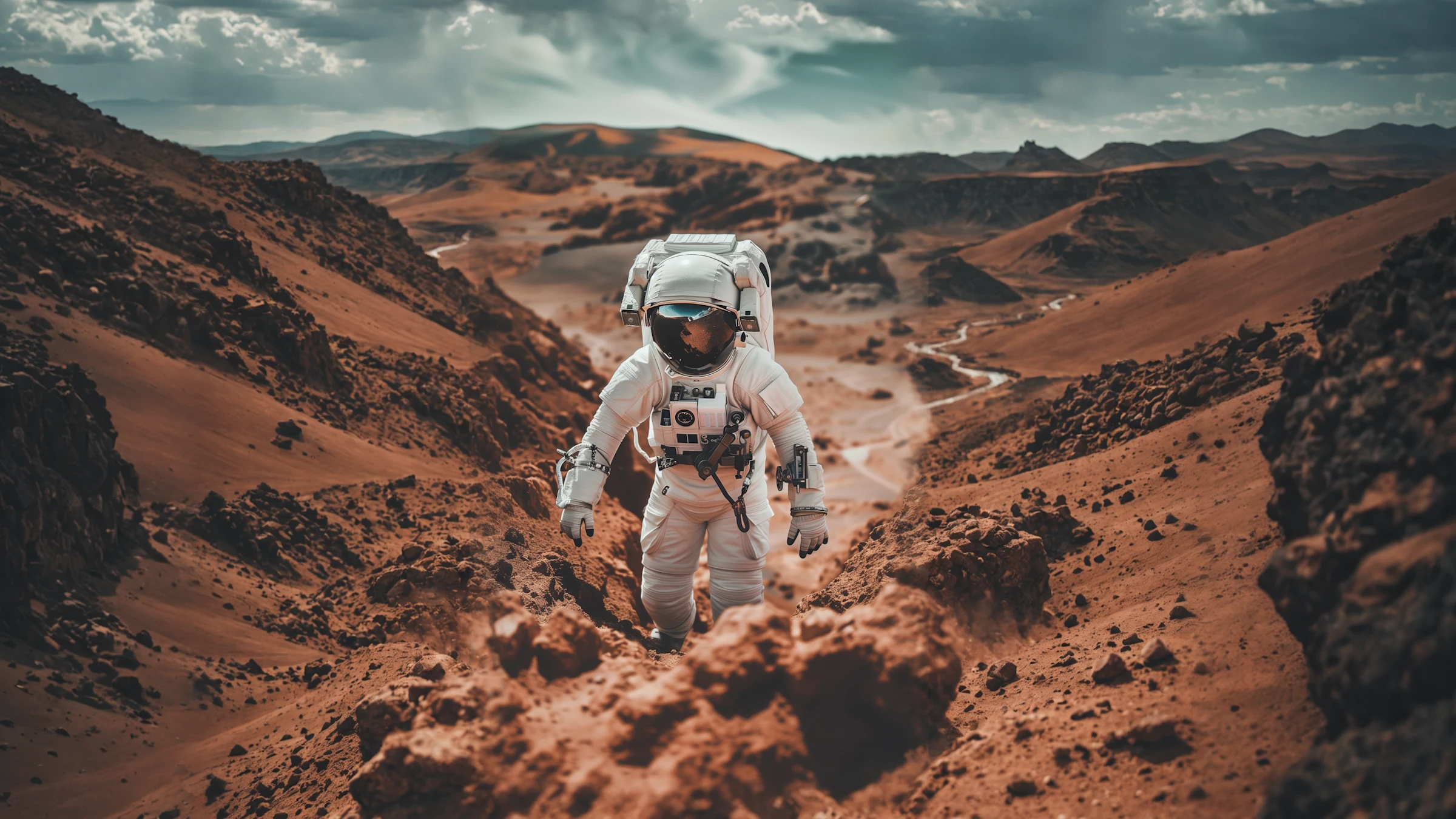

We often imagine the universe was somehow made for us. But maybe the truth is simpler — we are just life that learned to survive inside it.
The Beginning
The cosmos is everything that exists, everything that has ever existed, and everything that will ever exist.
In modern cosmology there is an idea known as the fine-tuning of the universe. The idea is simple: if some fundamental parameters of the universe were slightly different, for example the strength of gravity or the rate of cosmic expansion — stars might never have formed. And without stars there would be no planets, no chemistry, and nothing like the universe we see today.
Sometimes this creates the feeling that the universe is perfectly “adjusted” for life to appear.
But what if it’s the other way around?
What if the universe was never created for life, and life simply adapted to the conditions that already existed?
We still cannot answer these questions. Even the most powerful supercomputers cannot really calculate what the universe would look like if even one of its fundamental parameters were different.
The universe would definitely be different.
But why should life even be a necessary condition for the existence of the cosmos?
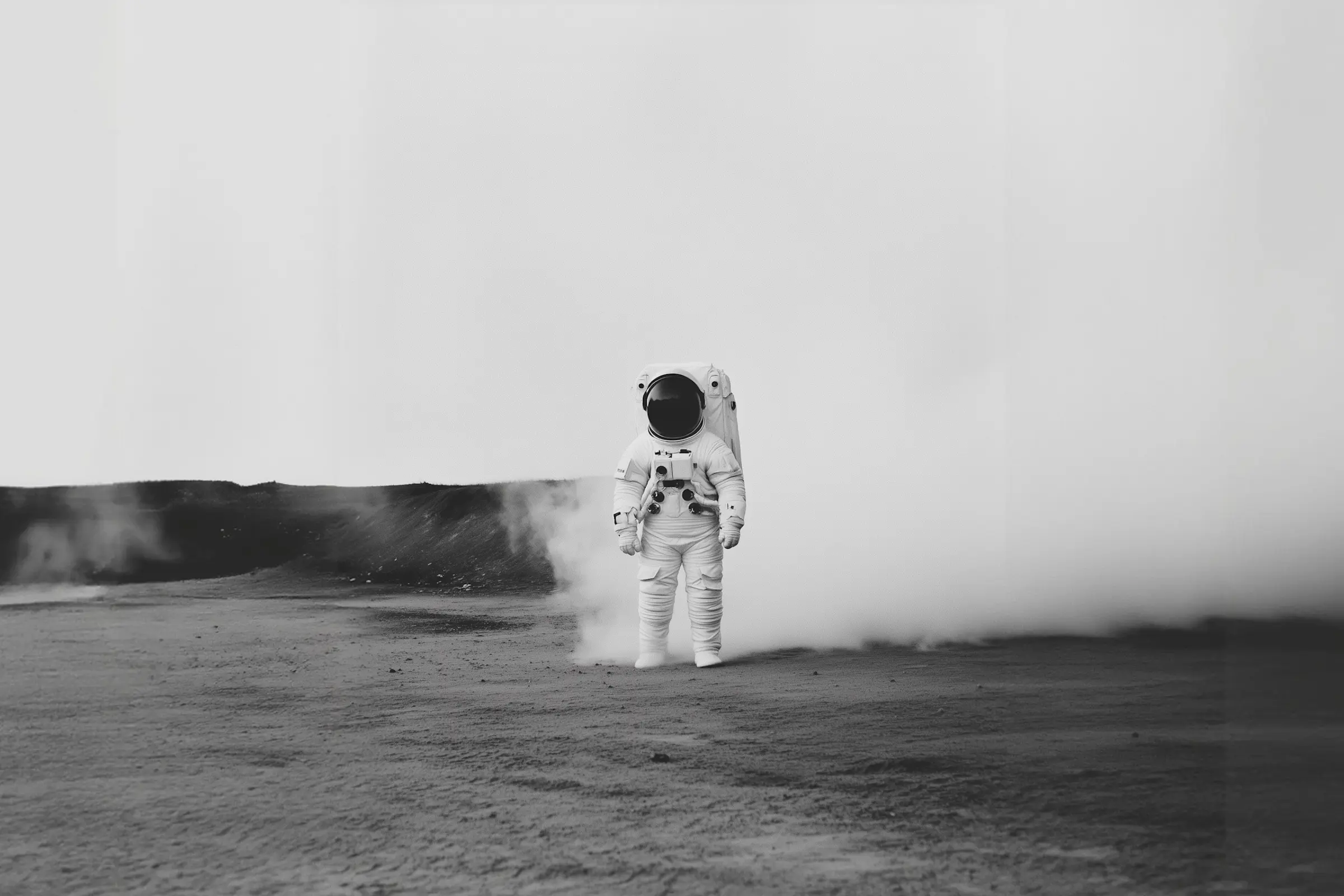
The Illusion of a Perfect Earth
We often say that Earth is perfectly suited for life.
Our planet really has everything needed for carbon-based life like us:
liquid water
an atmosphere
moderate temperatures
a magnetic field protecting us from cosmic radiation
a stable orbit around the Sun
From our perspective Earth looks almost perfectly prepared for life.
But evolution tells a different story.
Life gradually adapted to the conditions that already existed on the planet.
On Earth there are organisms that live in places that look completely impossible to us:
deep on the ocean floor, near hydrothermal vents, entire ecosystems exist without sunlight. Some organisms do not rely on oxygen, but instead get energy from chemical reactions with sulfur and other elements.
others live in extremely acidic lakes, inside Antarctic ice, or in environments with very high radiation.
For us these places look totally uninhabitable.
But for organisms that evolved in those conditions, it is simply a normal environment.
And if life managed to adapt to such extreme conditions on one planet, a natural question appears:
why couldn’t similar processes happen on other planets?
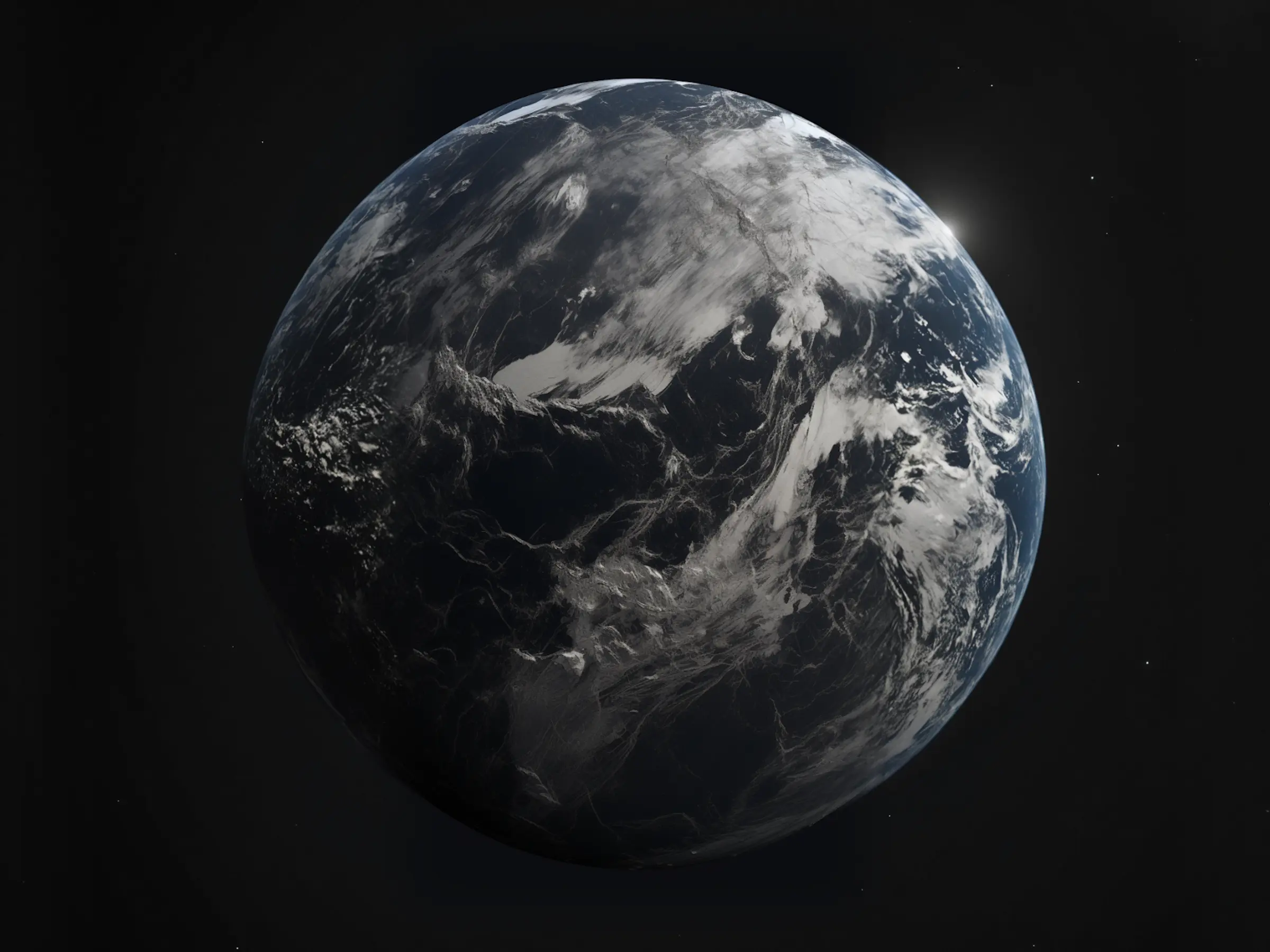
Evolution Explains This Illusion
Evolution works on timescales that are hard for humans to imagine.
The Earth is about 4.5 billion years old.
And for almost 80–90% of that time, the only life on the planet were microorganisms like bacteria and other single-celled organisms.
Complex life appeared much later.
Modern humans have existed for about 300,000 years, which is less than 0.01% of Earth’s history.
On cosmic timescales, humans are almost a moment.
Human civilization occupies only a tiny fragment of our planet’s history.
The fact that the universe seems “comfortable” for life may simply be the result of the fact that we evolved inside its conditions.
Ancient Thinkers
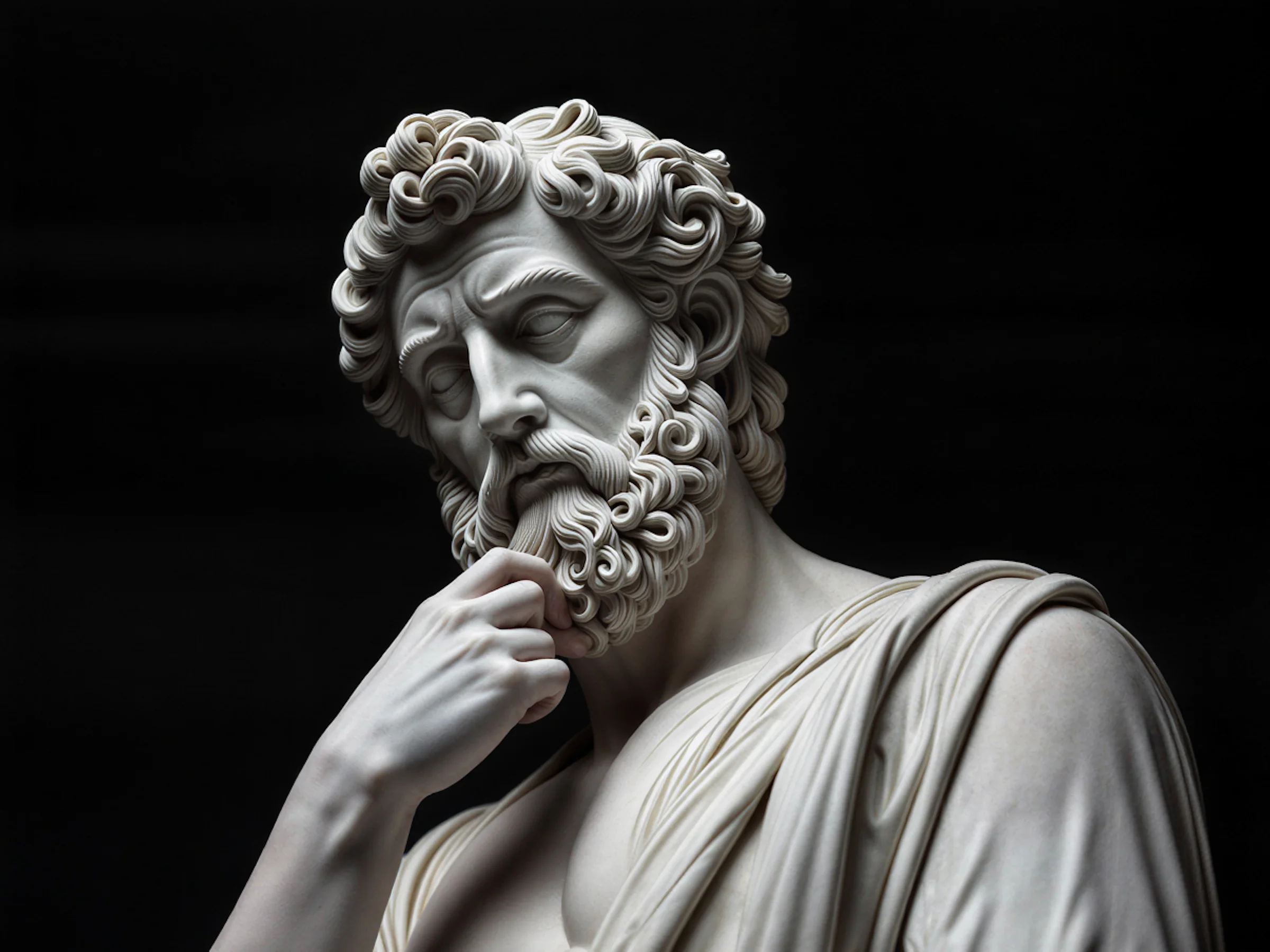
Long before telescopes, satellites, and space probes, people were already asking questions about the nature of the cosmos.
Reading the works of ancient Greek philosophers, I sometimes get a strange feeling: it seems that we think almost the same way, even with thousands of years between us.
They had no telescopes or scientific instruments. Their only tools were observation, logic, and imagination.
In technology and science, we have made huge progress.
But the questions we ask about the cosmos have not really changed.
More than 2200 years ago, the Greek scientist Eratosthenes calculated the size of the Earth using nothing more than shadows and basic geometry.
And yet even today, some people still believe the Earth is flat.
If thousands of years of knowledge have not changed that, it reminds us of something simple:
in evolutionary terms humanity is still very young.
A few thousand years of civilization is only a very short moment in the history of life.
Conclusion
We are not the center of the universe.
And perhaps the universe was never created specifically for us.
But that does not make the cosmos any less amazing.
In fact, it makes it even more incredible.
Because it means that in this enormous universe life appeared, adapted, and one day began to ask questions about the cosmos itself.
And maybe the fact that life can think about the universe is one of the most amazing things it has ever produced.